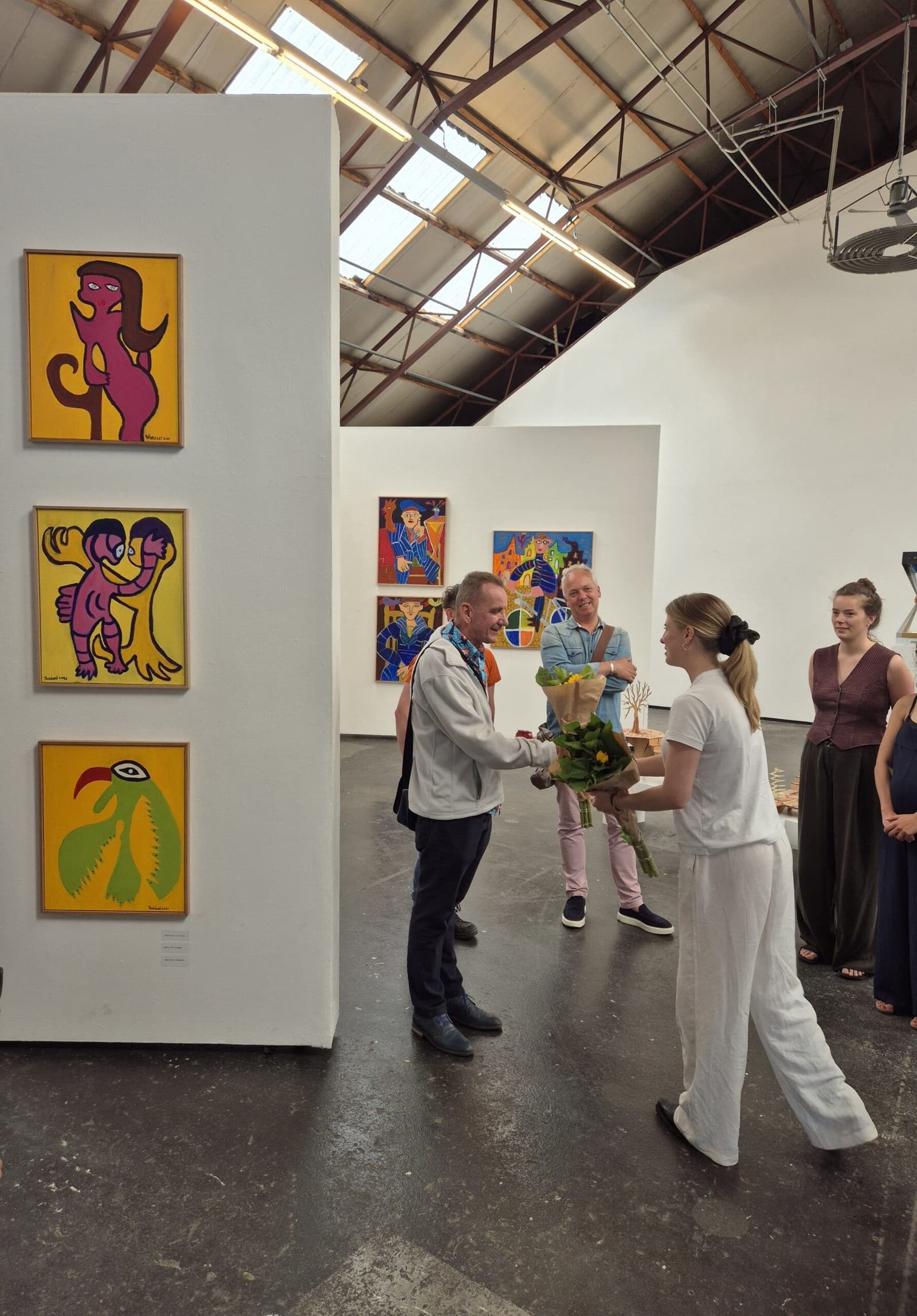
Biography
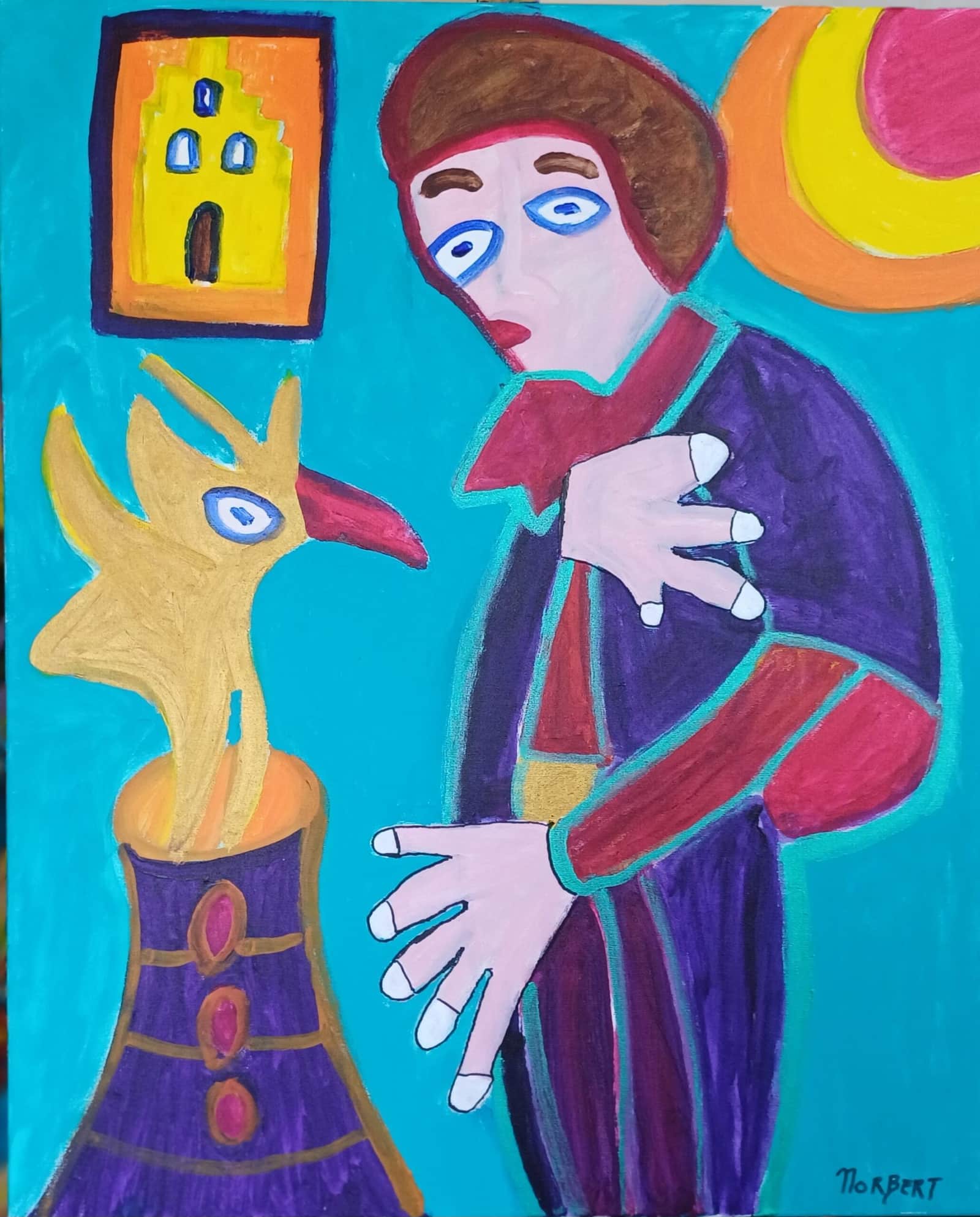
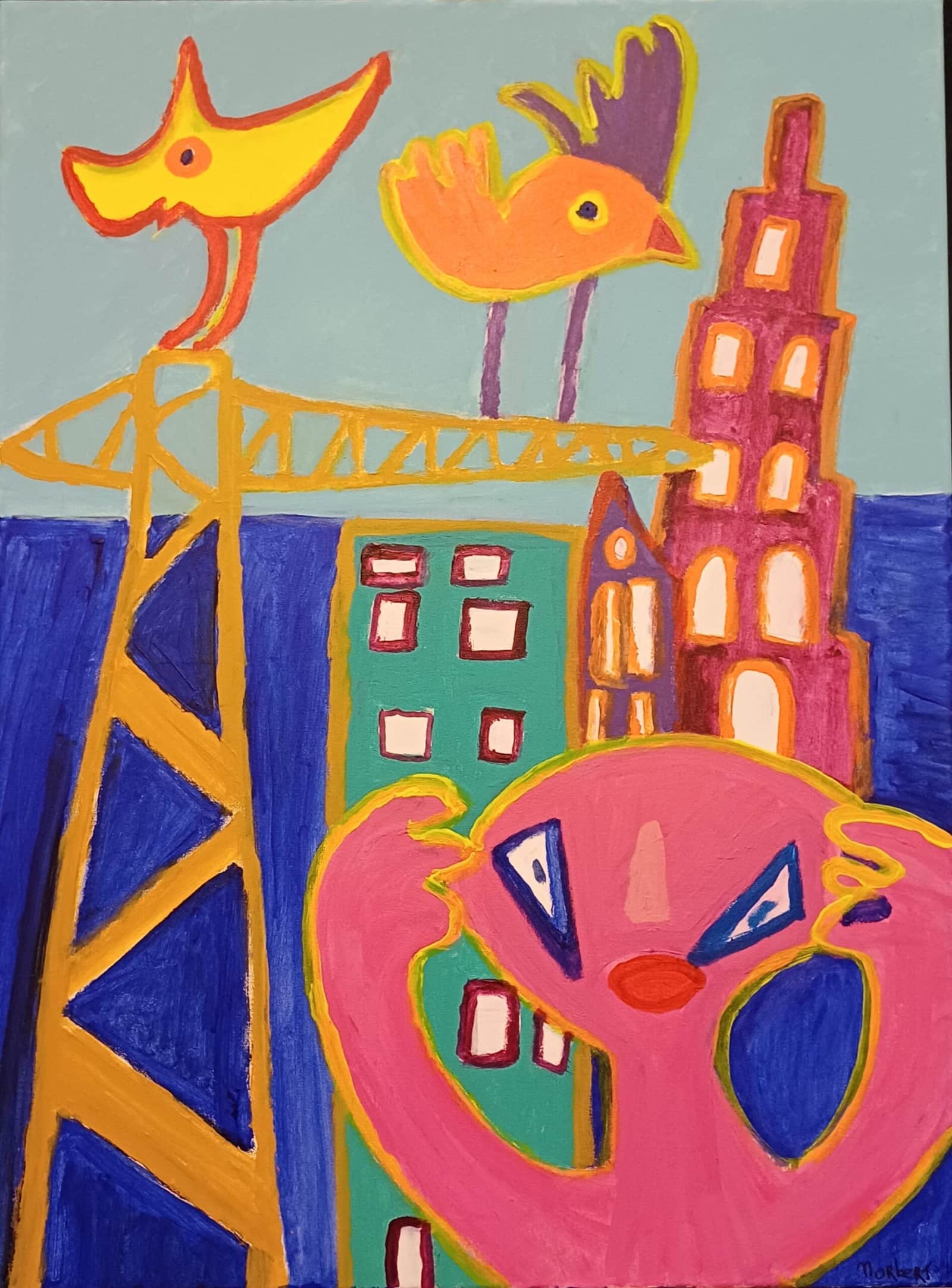
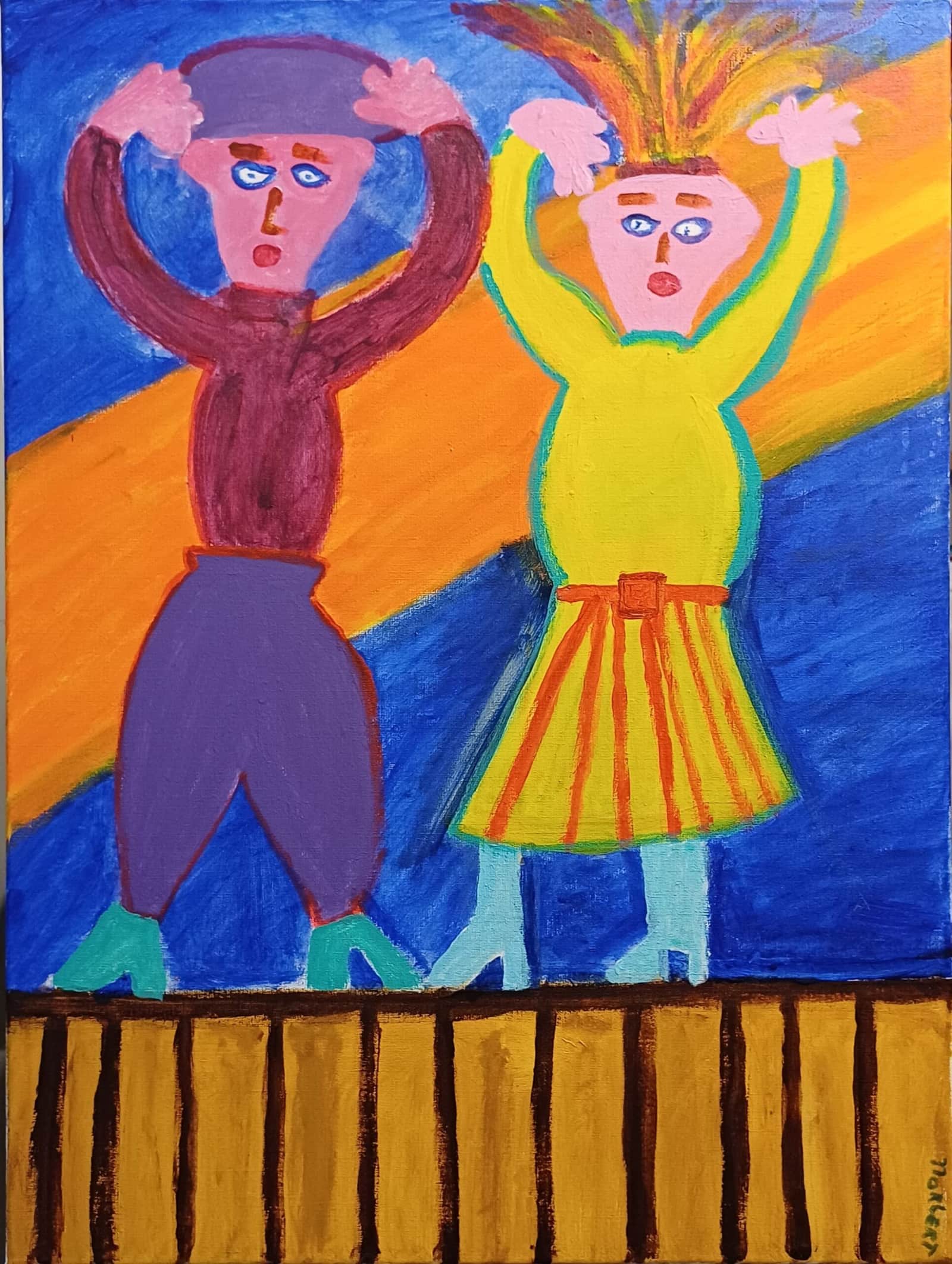
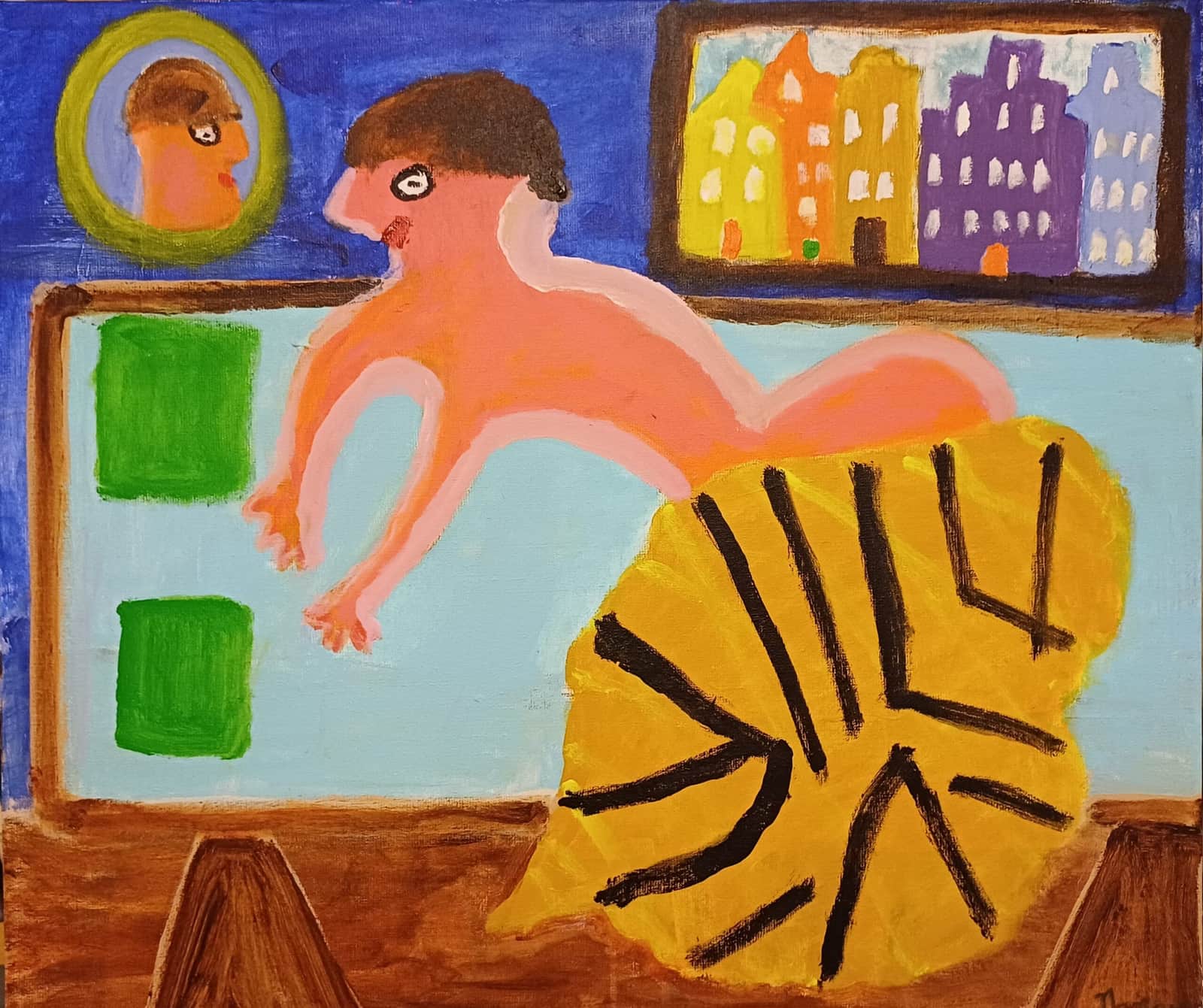
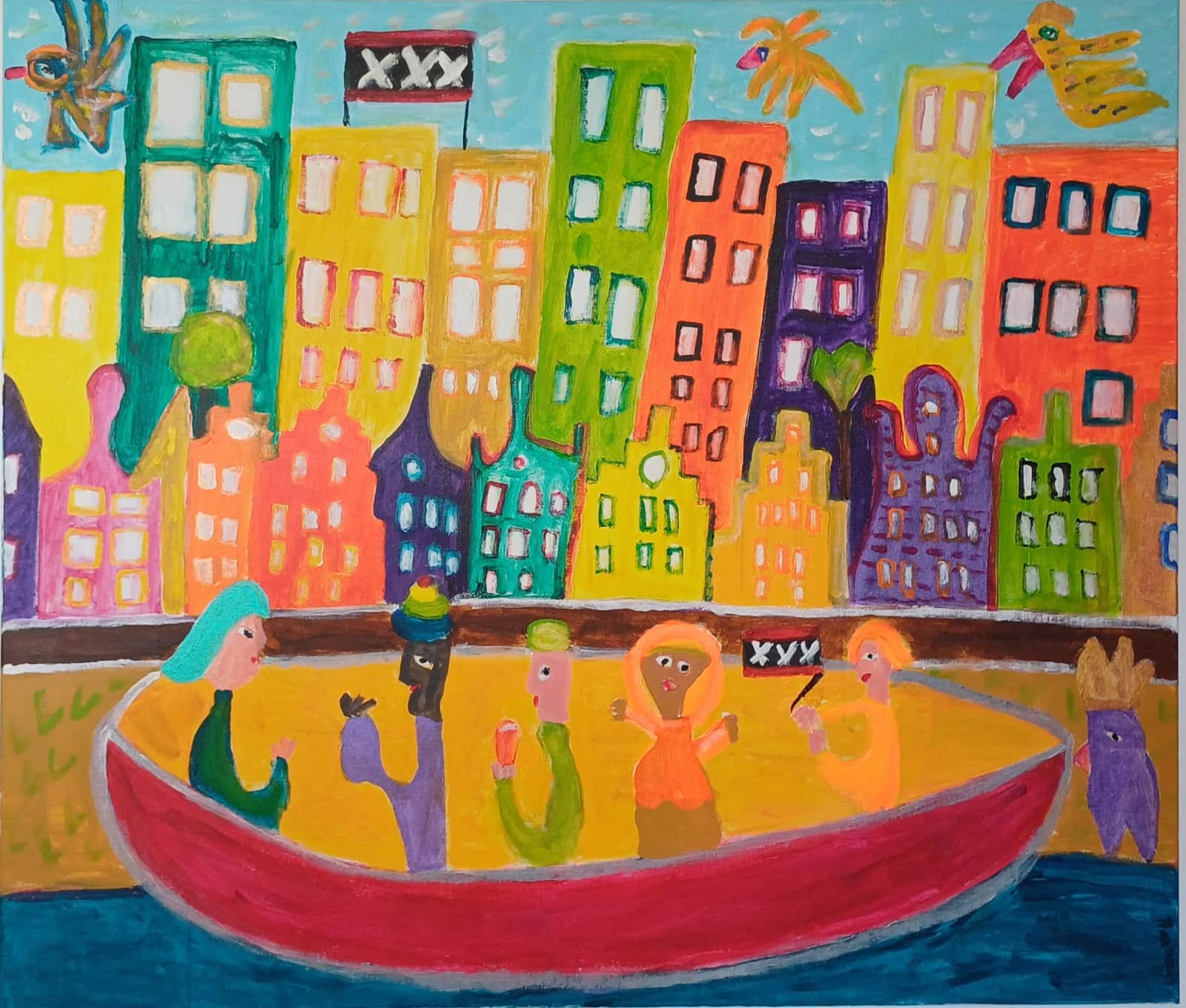
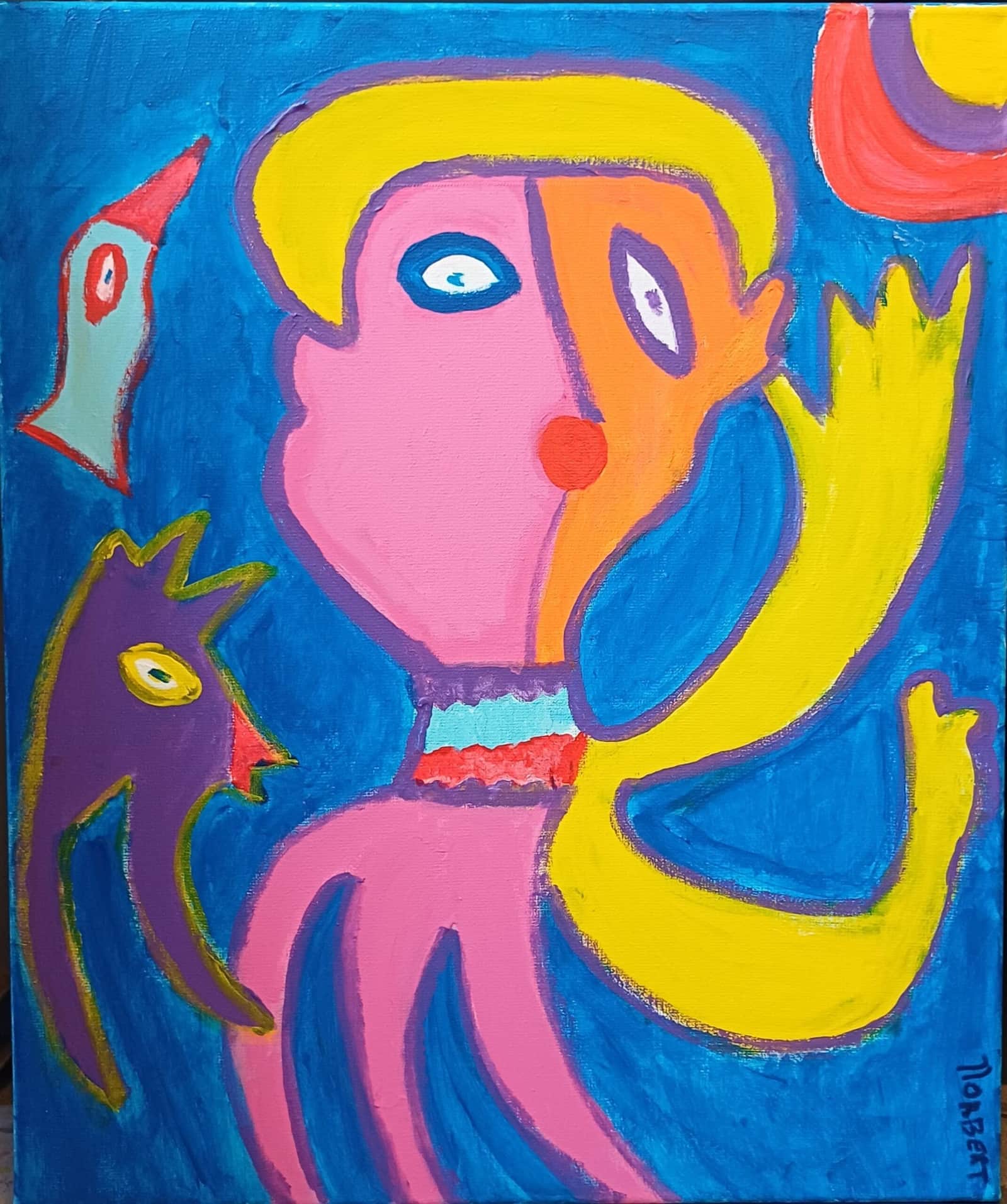
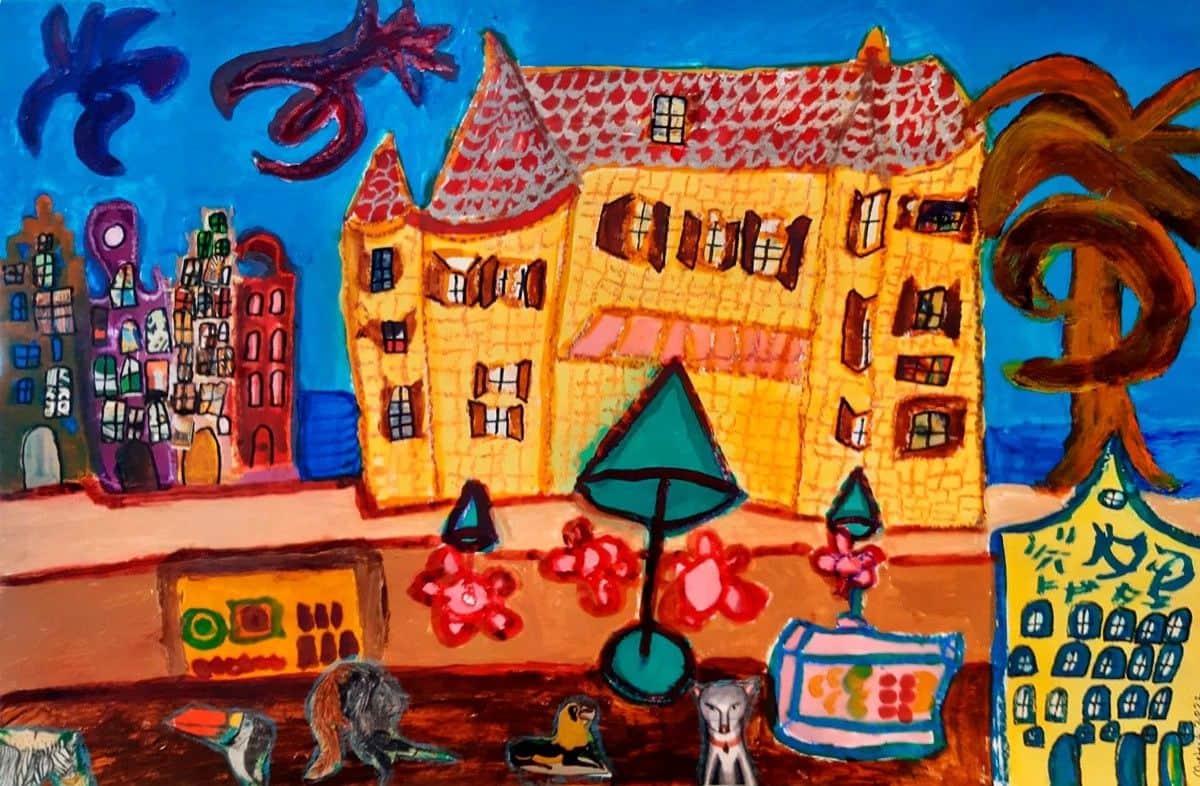
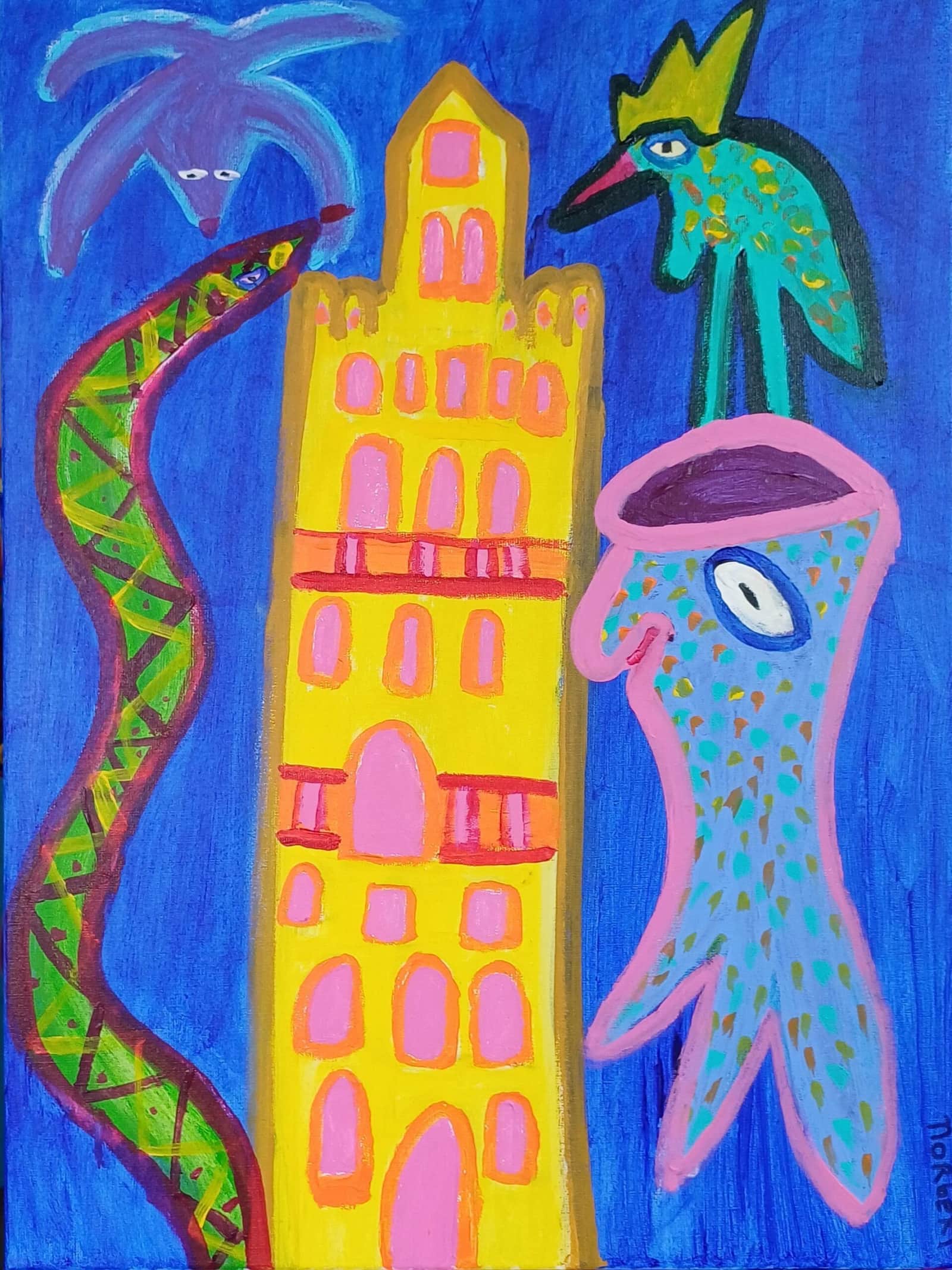
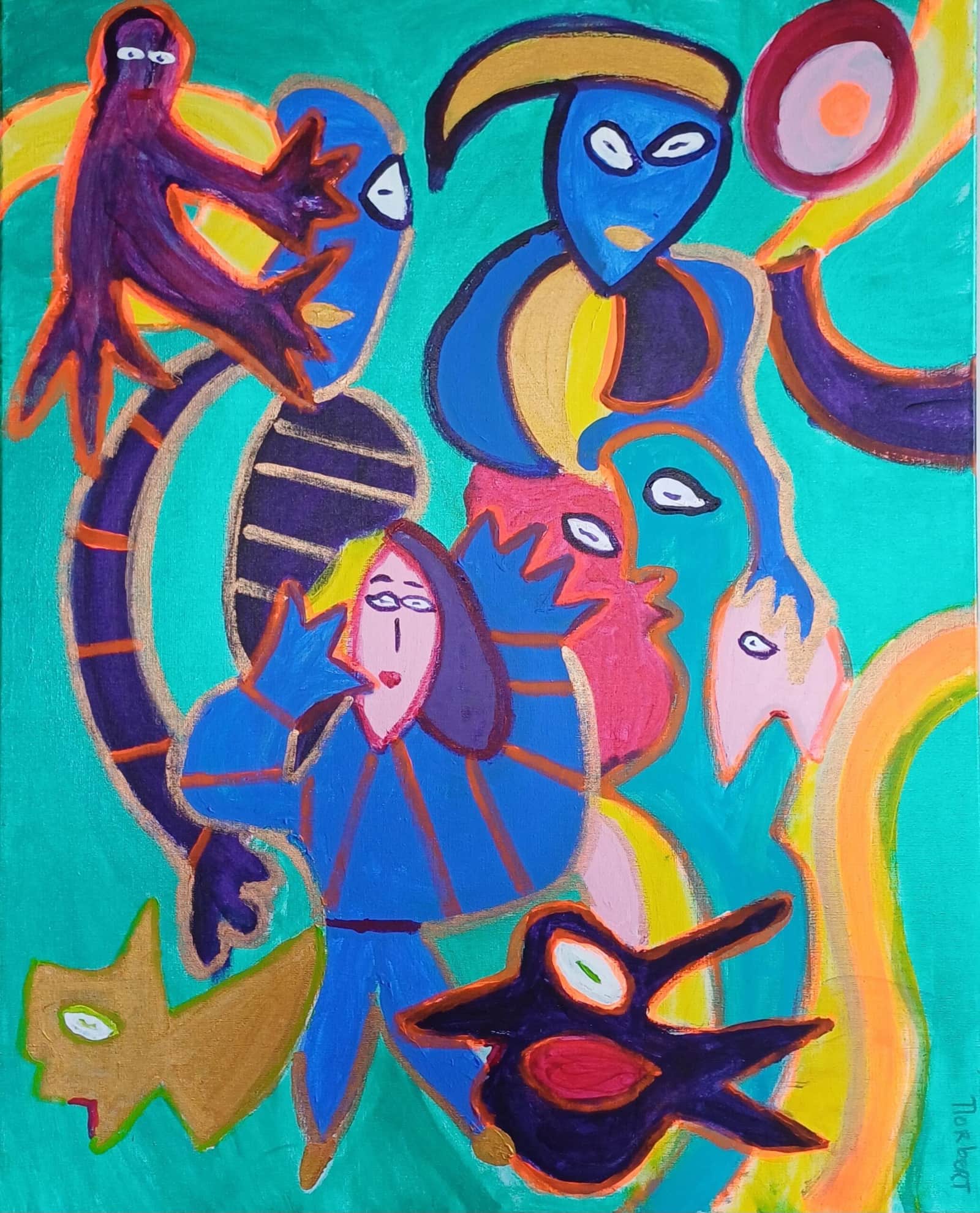
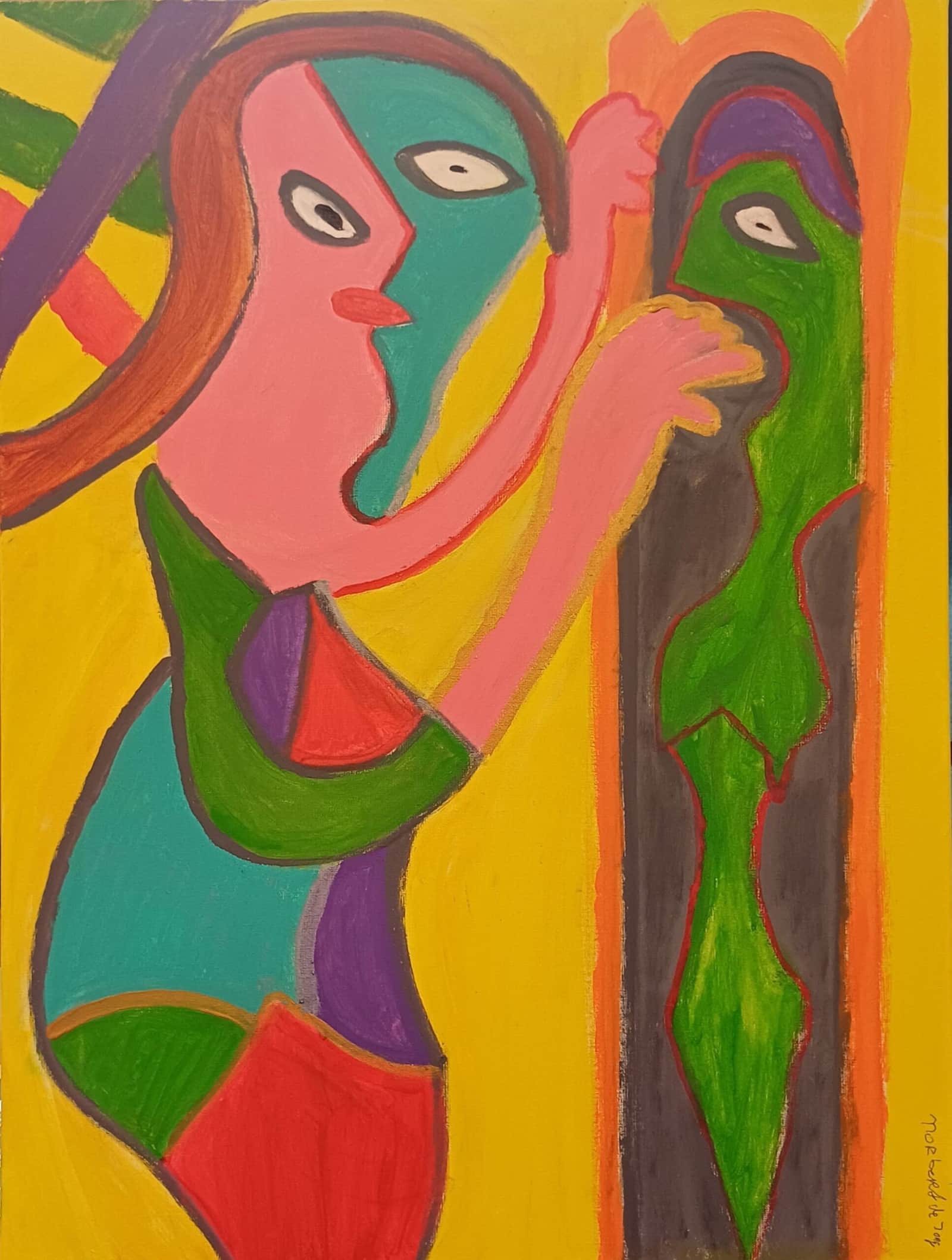
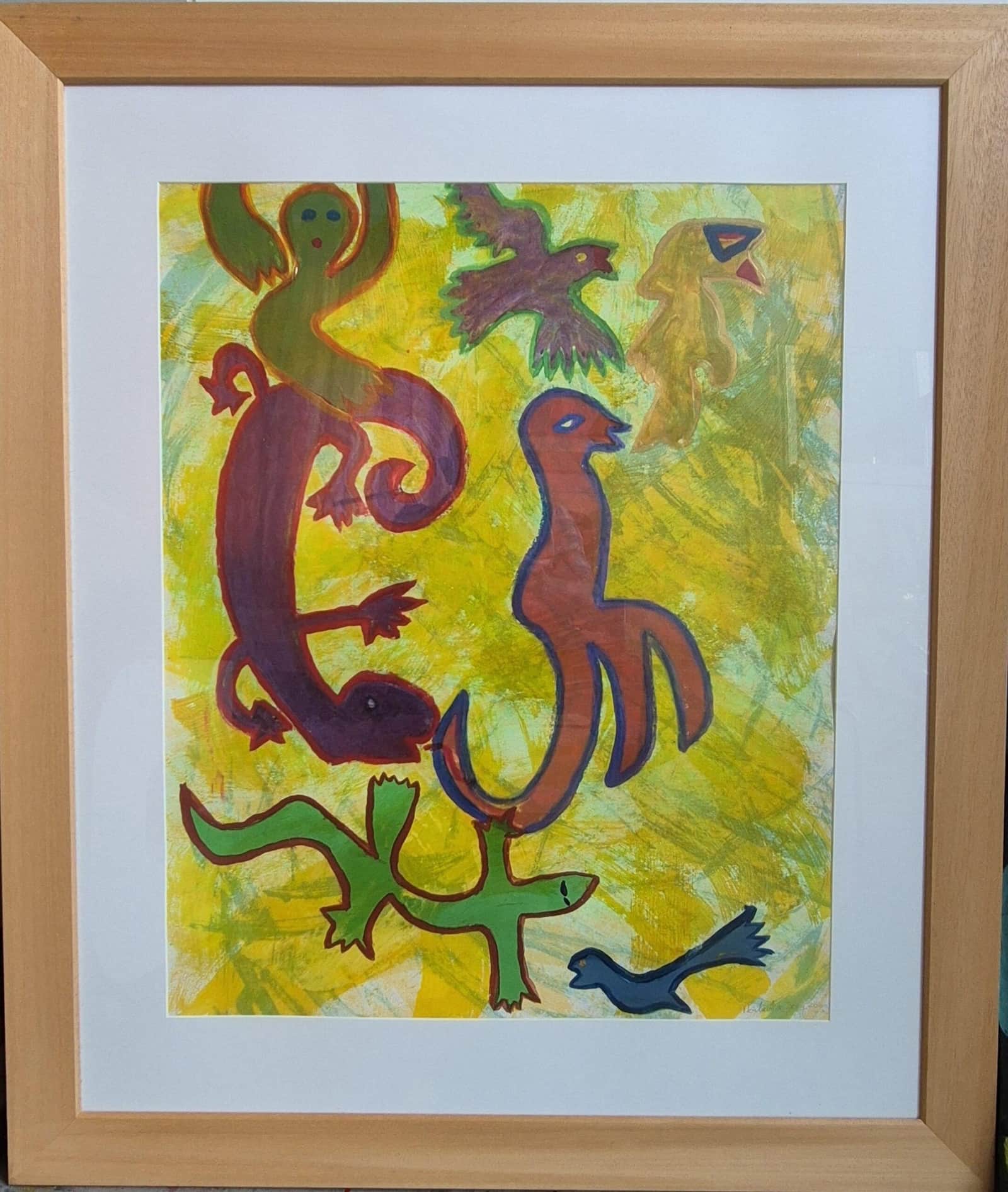
Because De Jong himself has regularly dealt with the dark side of life, in his depressions and psychoses, he likes to paint cheerful scenes. To cheer people up. Another core theme for him is freedom. The freedom to live the life he enjoys. "Yes, because I feel more freedom now. Painting, I work in my studio, I don't have a job from nine to twelve. I have to be free for myself. I don't want to be in a tight job, or to receive an assignment from you that you have to do this or that. I want to be in control of my own life."
His theme is "very basic, it really comes from my inner self. That is the fantasy world that concerns me. I have also made very ferocious paintings when I was really psychotic. But it comes from my deepest feelings. I create my best works when I am just sitting by myself. It bubbles in my head."
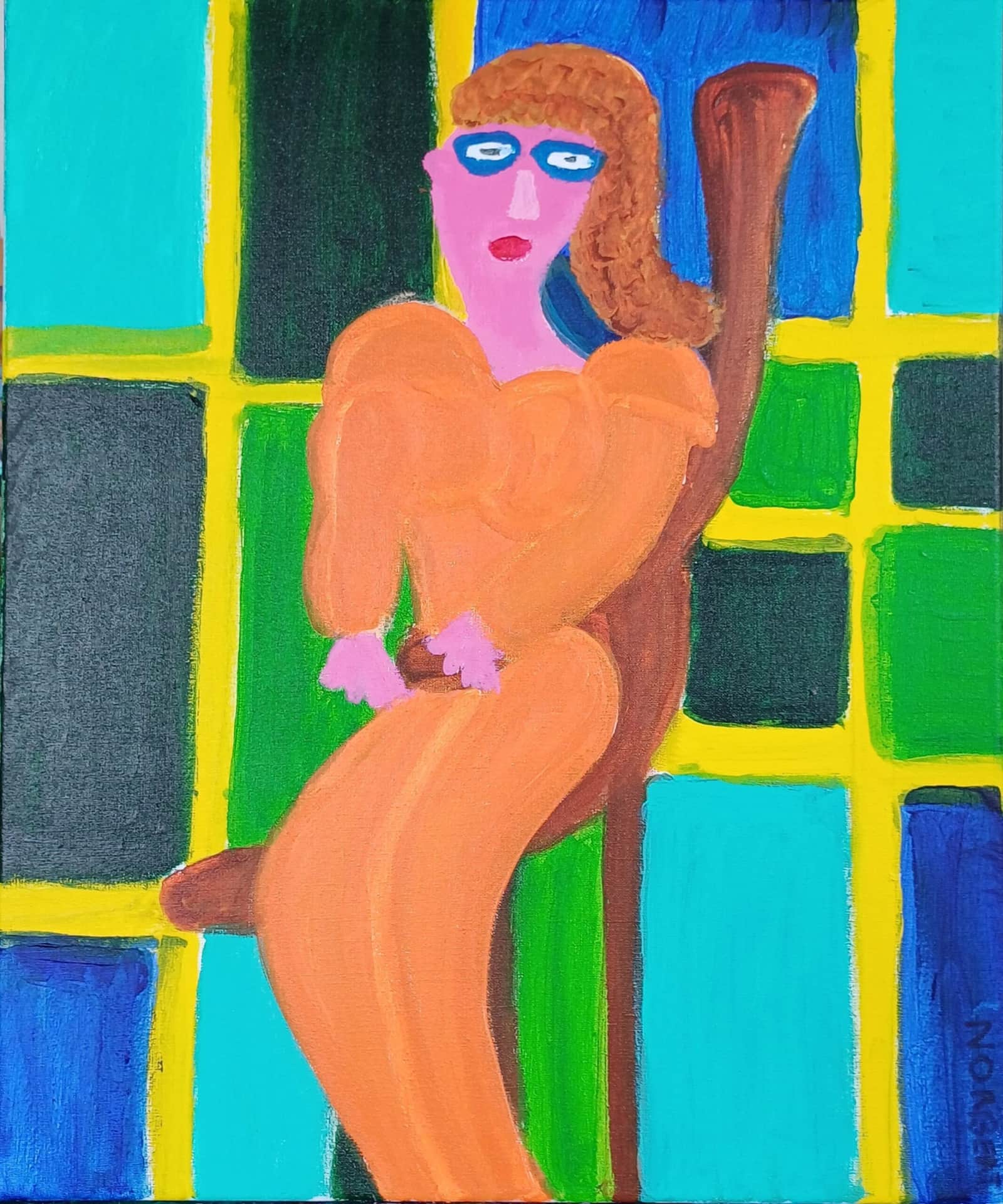
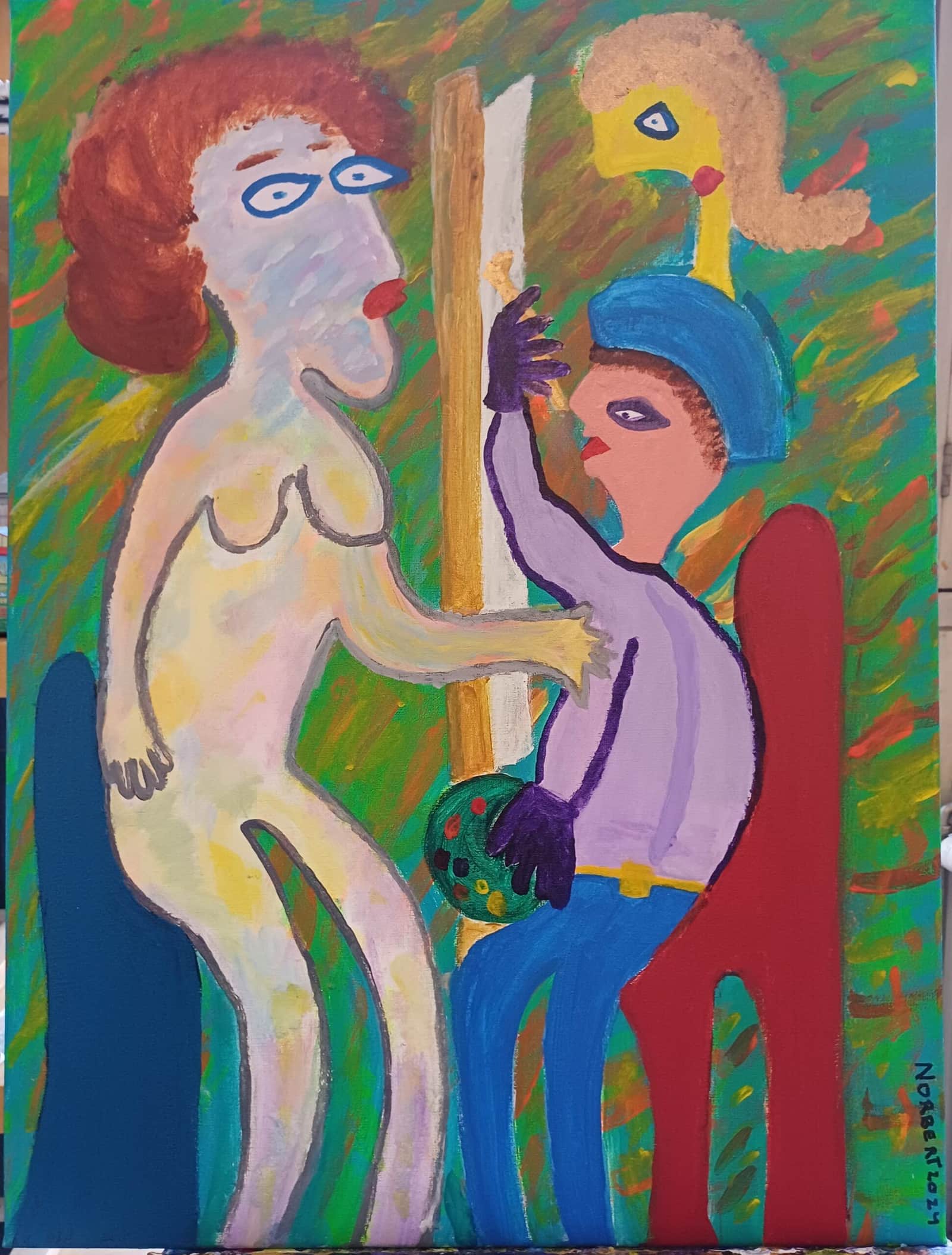
He looks at other artists and often goes to museums, but his inspiration mainly comes from himself. "I do get inspired by some artists or books that I see. Picasso is someone I really look at. But ultimately I create my own style in it. I can't copy drawing or anything like that. At a certain point I have to do it myself. Then something arises. I make something without having a plan in advance."
“What I do nowadays, first I look at other artists, I look at books, I make sketches, and finally I work out a sketch on a canvas. I often distance myself and fill it in myself. I'm not going to think out in advance how this should be done. I do have my ideas, but it usually happens spontaneously.”
De Jong started painting when he was admitted to the psychiatric department of the AMC in 1992. "Then they said, go do creative therapy to find yourself a little bit. I started painting, and they said, what good, what beautiful things you make. I did it a lot when I was bored. But they thought I should continue with it. I gave all the work I had done there to a girl next door. I thought, oh, it's nothing."
He soon got success. “Anyway, I went to exhibit, at one point I sent work to the art library in Amsterdam. And they chose twenty works. Then I thought, maybe I have talent after all.”
Painting is important to De Jong: "I can express myself better. I can express my creativity in this way. I don't come with a plan in advance, I do it this way or that, but I become a lot calmer when I paint."
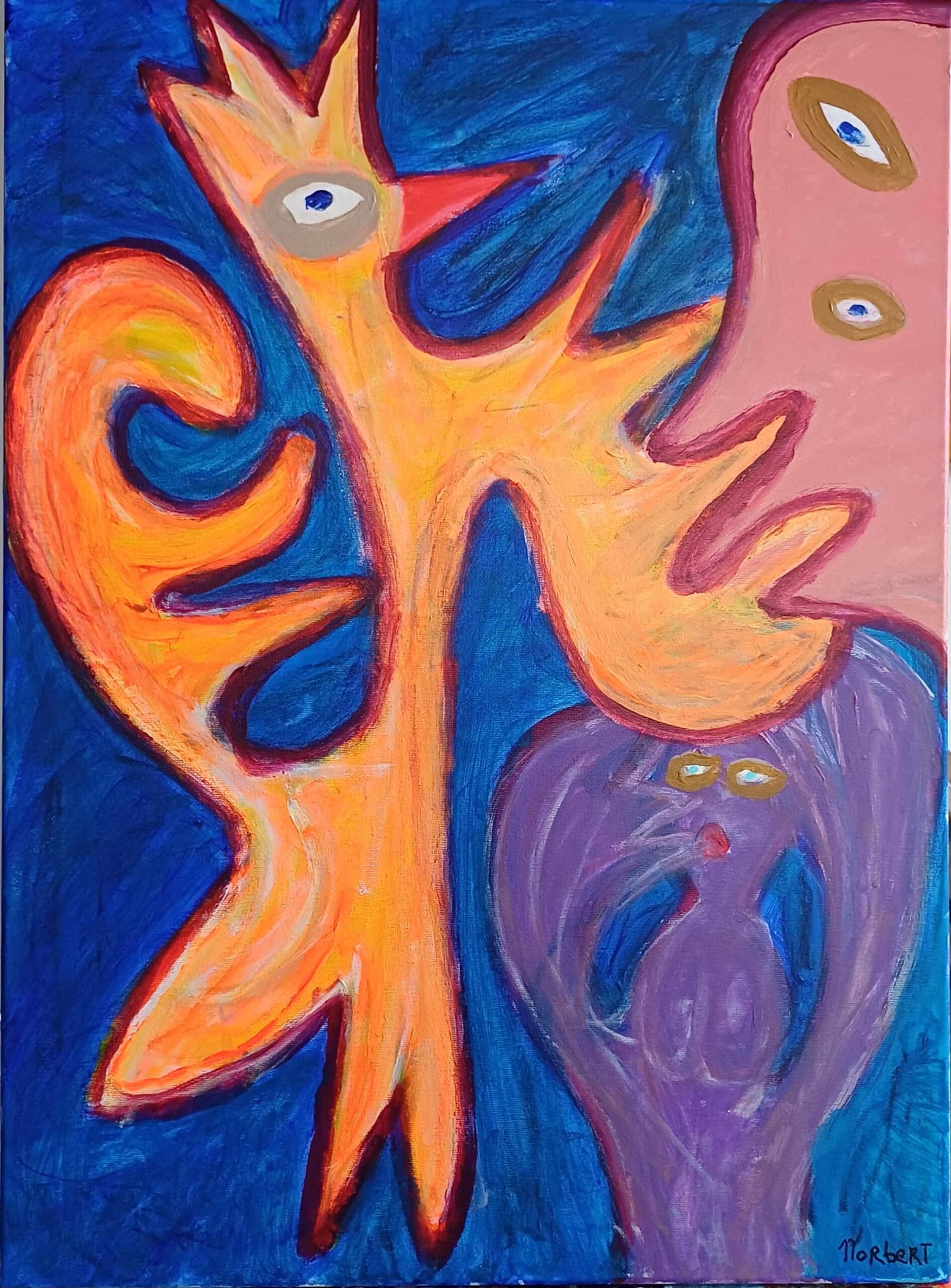
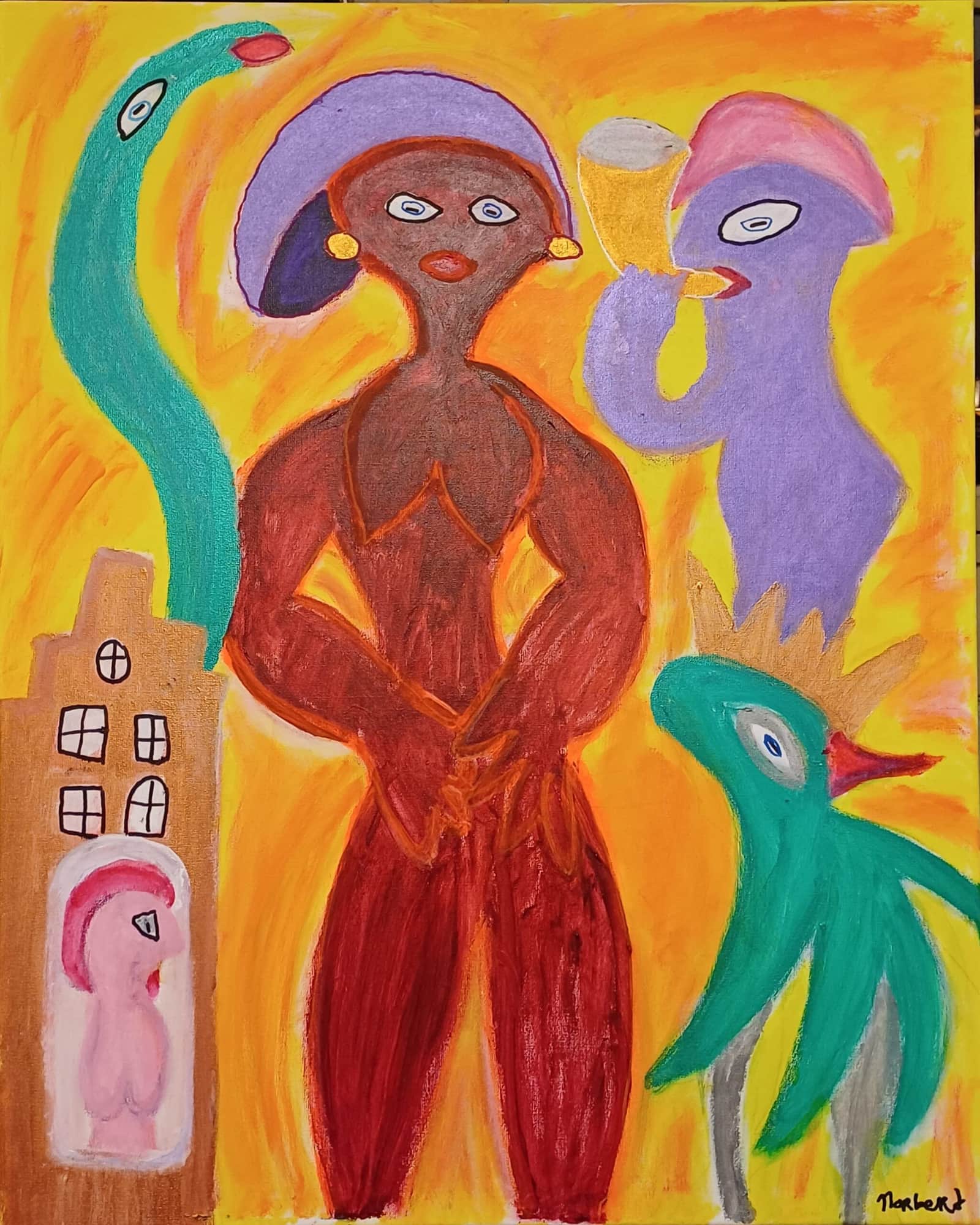
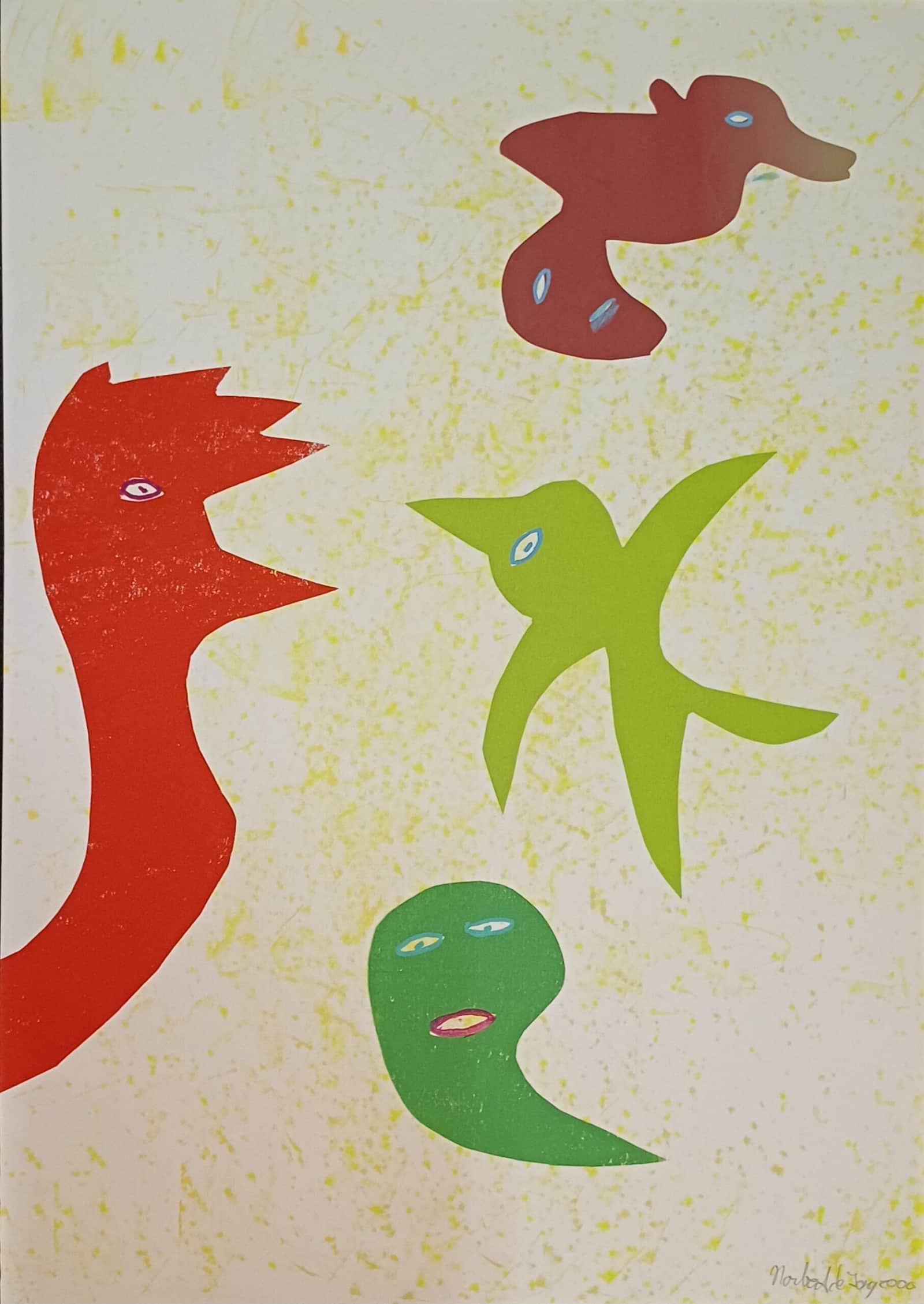
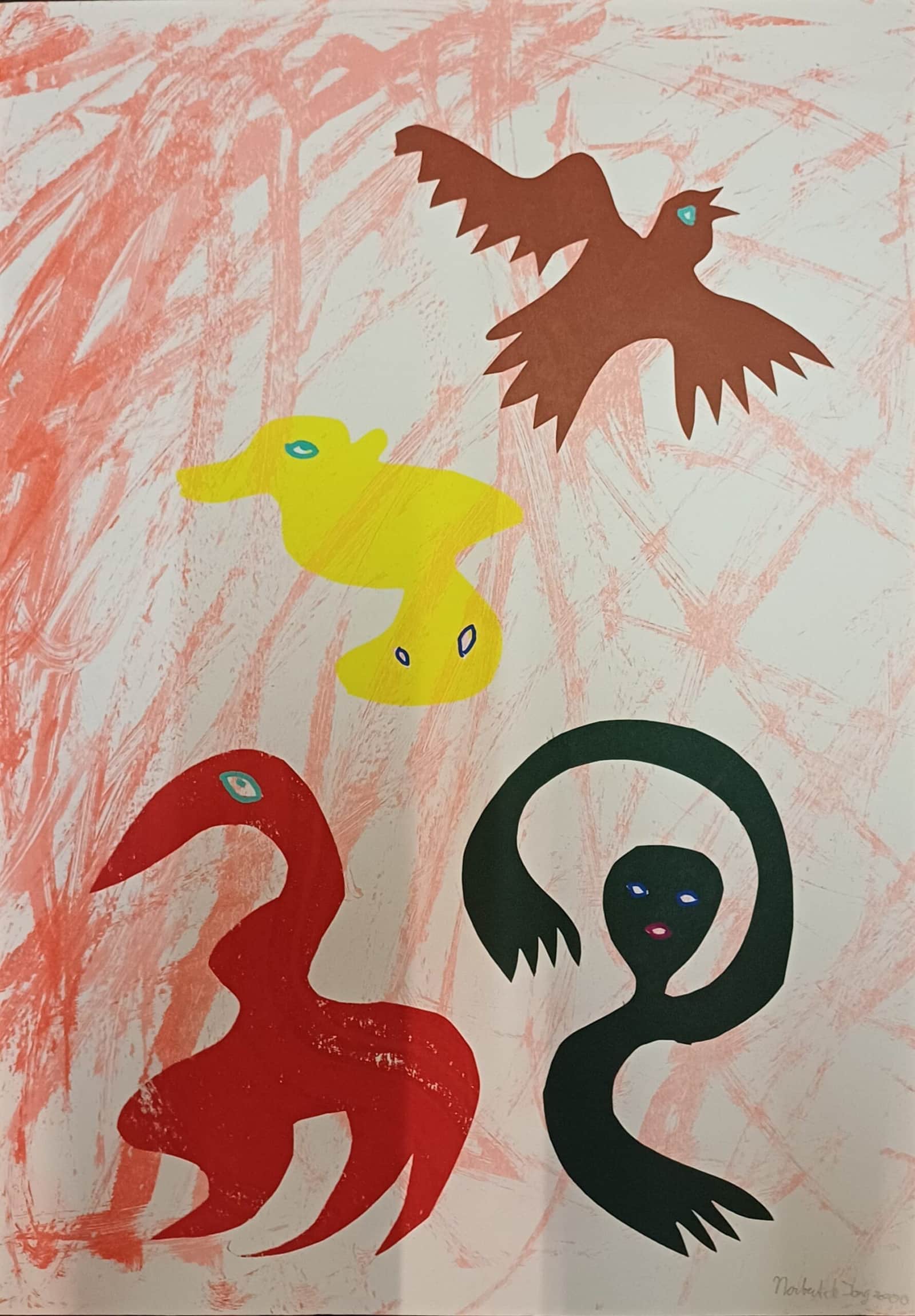
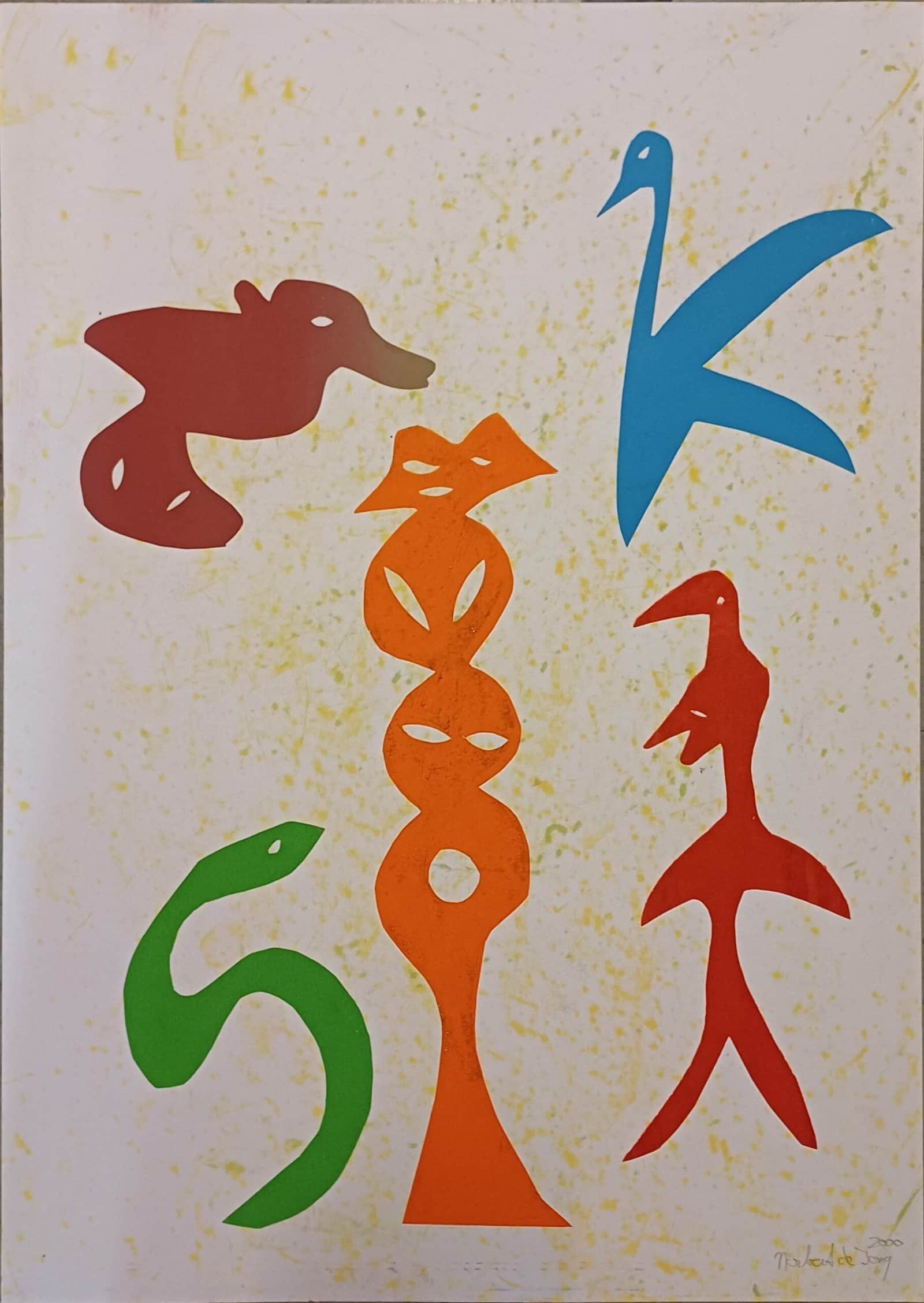
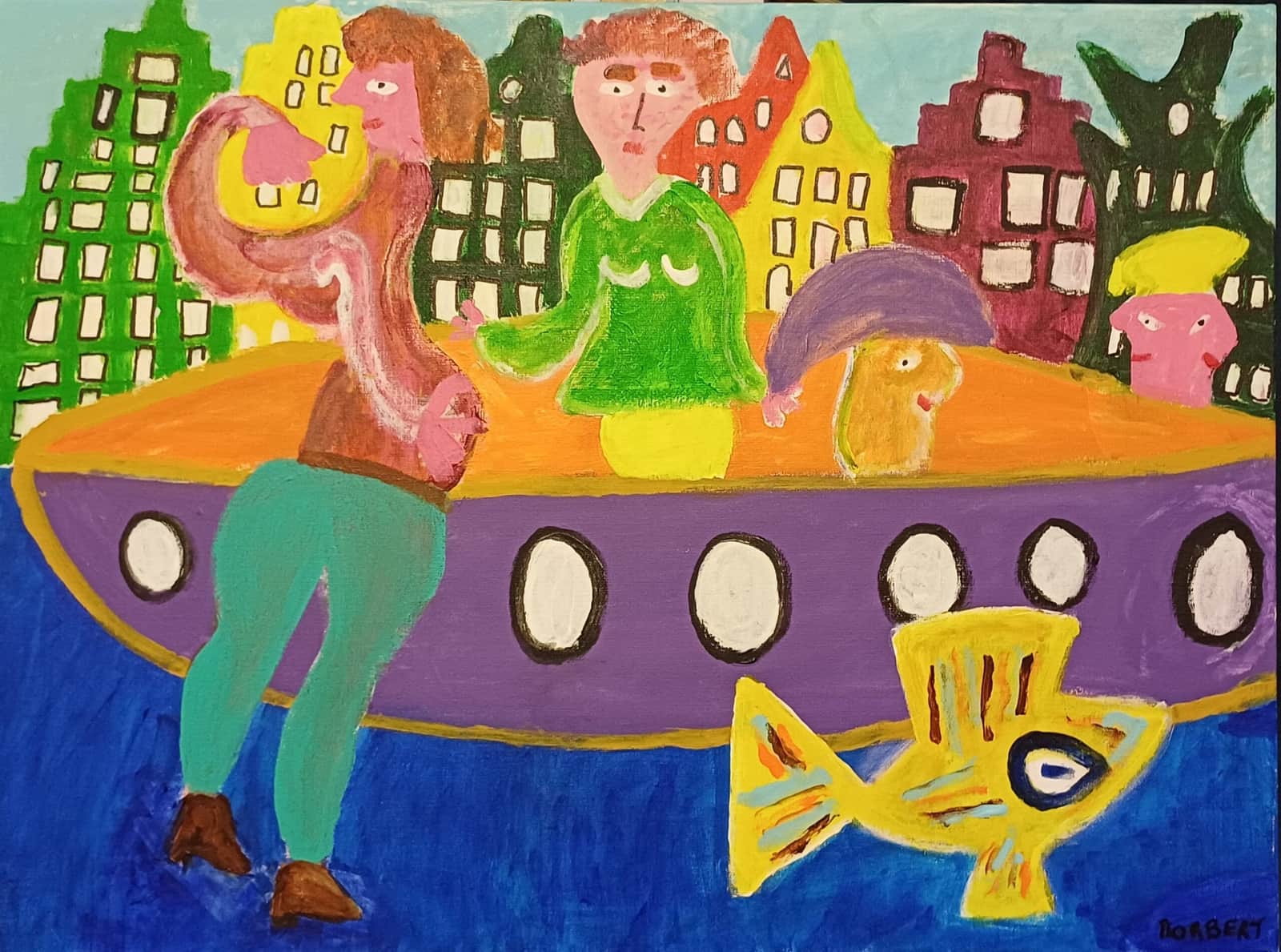
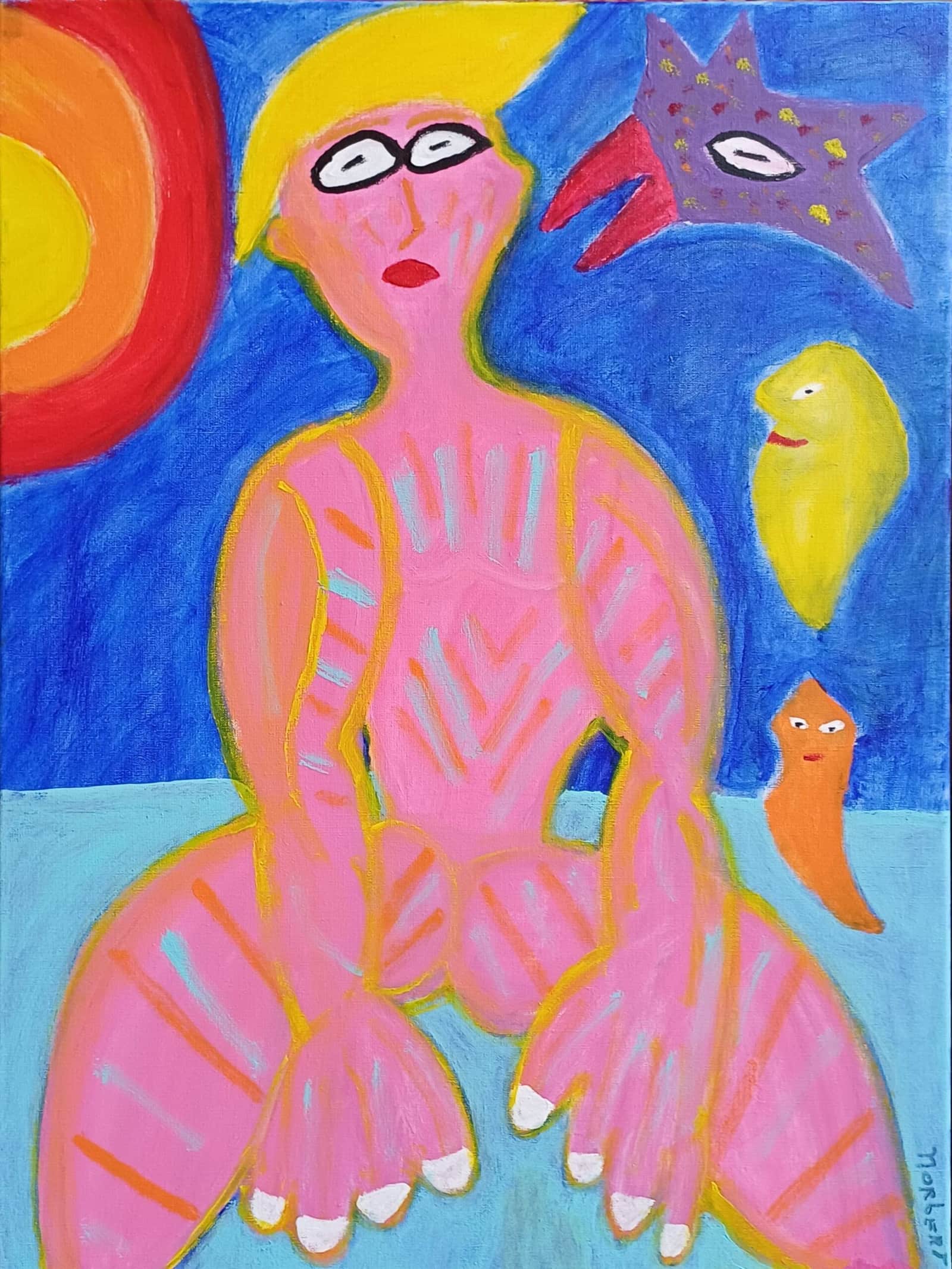
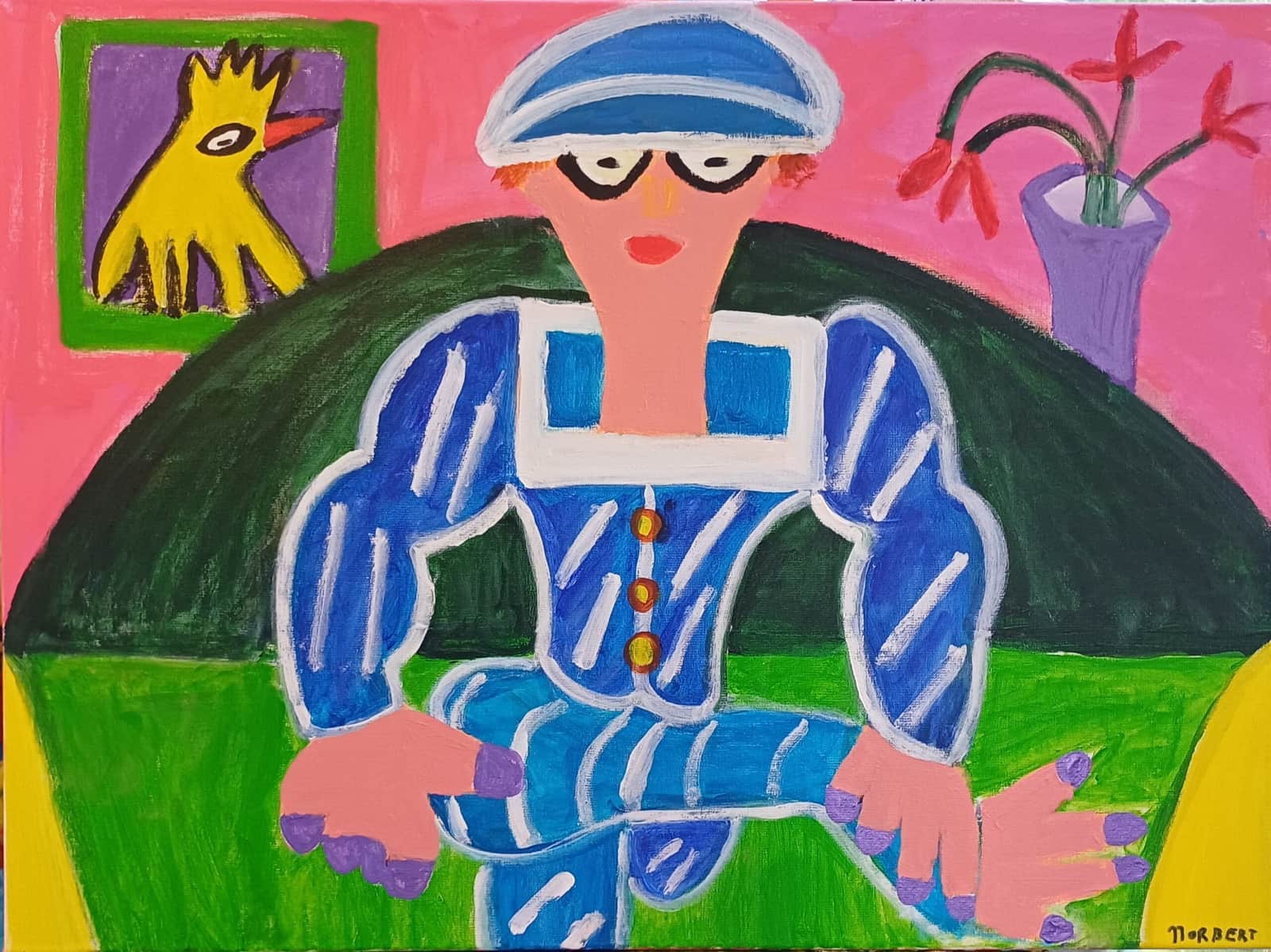
De Jong characterizes his work as “naive” and “outsider, because I have no education”. He also finds it “expressionistic”, he can express his feelings in it. Some work "arises from certain feelings of unrest. Things that are in your head that are very difficult to explain. That you can then make on canvas. The images that come to mind naturally."
He attended fashion school for two years. "They said there, you have to continue with your creativity. I did try figure drawing, but that didn't work at all. My work doesn't fit in well, it's not what you see every day. It's strange, special work."
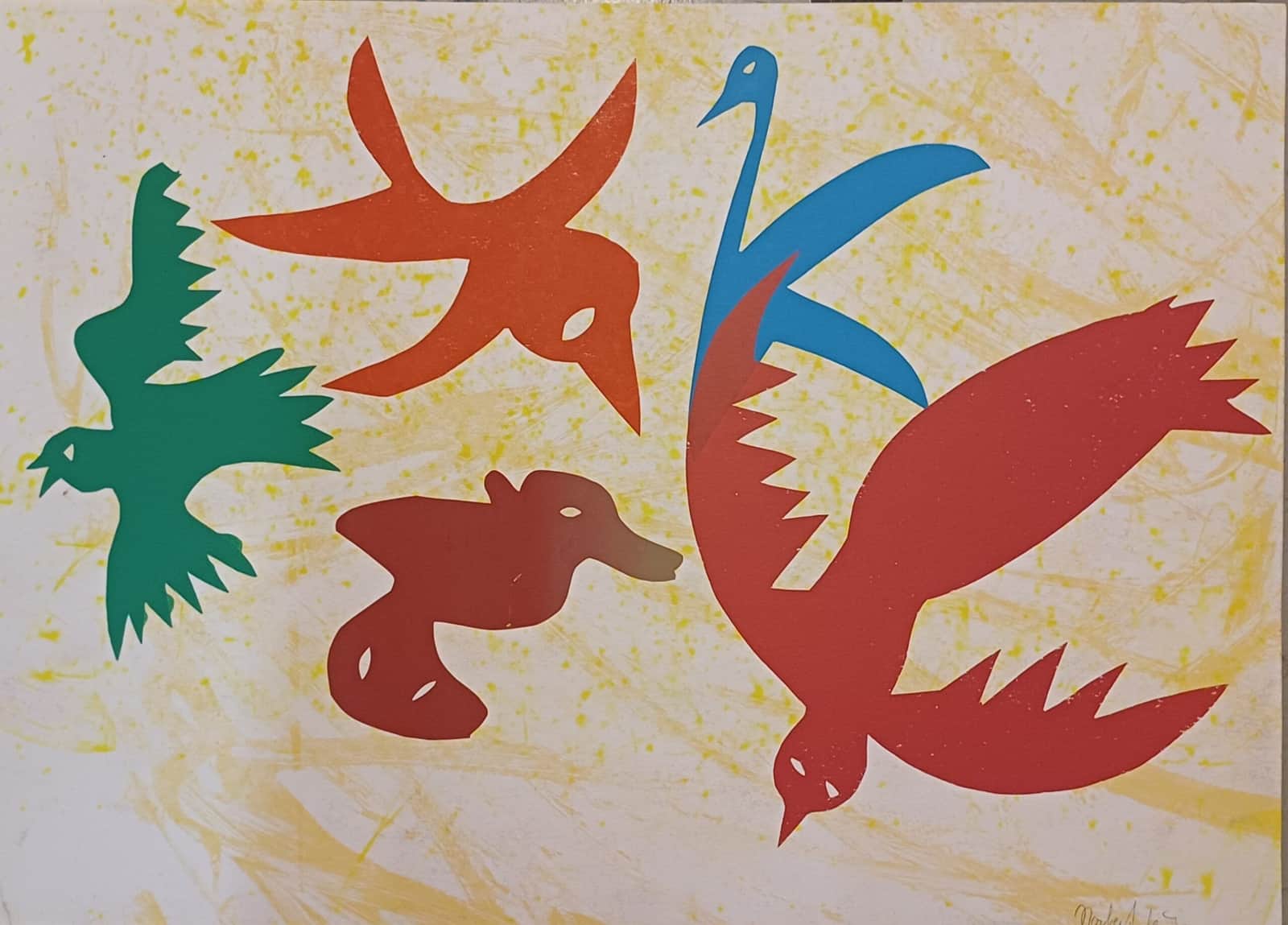
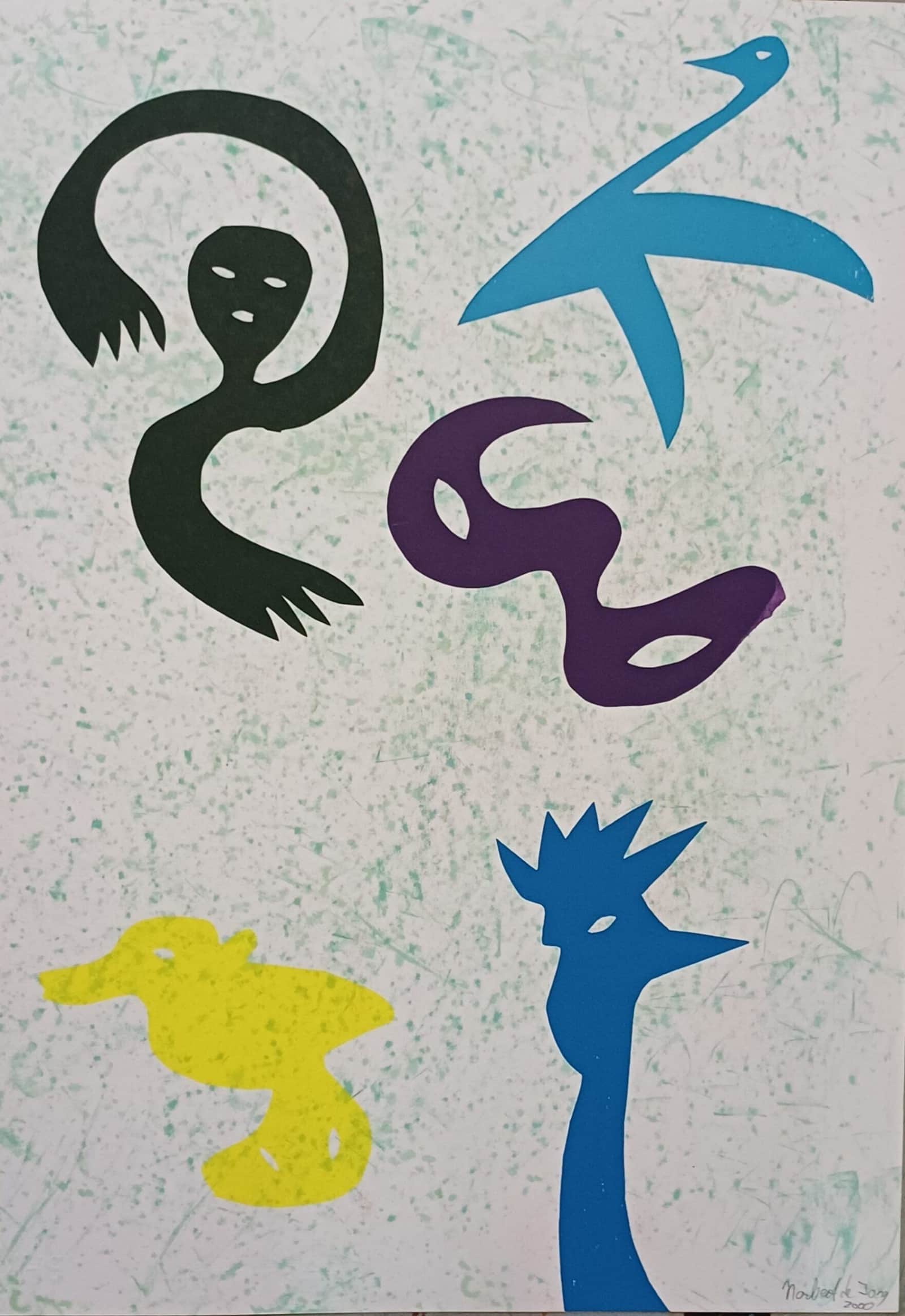
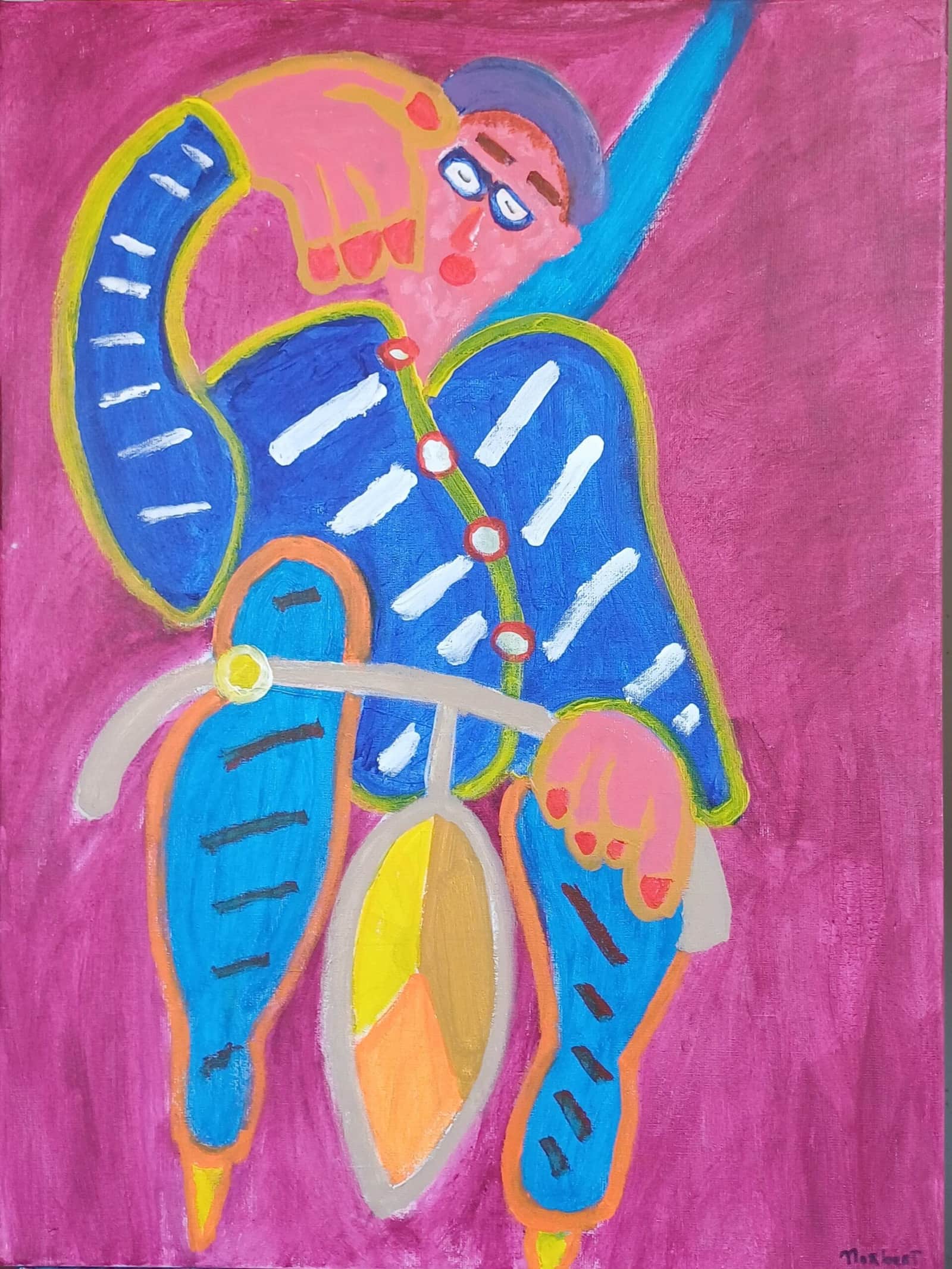
His imagery is "very different. It is often people or animals that communicate with each other. I also have something to do with freedom. For me, birds represent freedom. I have been making cyclists for a long time. It also has to do with freedom. It came from the recording at the AMC, then I recognized my imagery." It seemed to him that he was making “original” work. And it turned out to appeal to people. “I didn't know that.”
Officially, De Jong has “a bipolar disorder with psychosis”. He has been admitted about four times. The last timewas caused byhe had problems with housing construction because he sublet a room to tourists.
“Then I became very nervous, hung out with the wrong people, used drugs, weed but also ecstasy, what is it called, GHB, very wrong. Out of a kind of desperation. I was on an antipsychotic, Zyprexa, at one point I didn't know which drug to take anymore. Because I used those drugs. At the beginning of 2013, a letter arrived that I had to leave the house.” In the end the house turned out fine, but in the meantime he was admitted to the Mentrum clinic. “Then they finally took me to Parnassia, where they did an ECT (electroshock therapy) treatment. That made my memory very bad. It still bothers me.
He became paranoid in his psychoses. "I thought they were talking about me. Things that weren't right. Sometimes I think, was it real, or was it a fantasy? It was probably a fantasy. I think afterwards."
“When I worked at Cordaan I thought all kinds of people wanted to buy my art. If I do too much I notice that I become restless, that I become very afraid, that I am being robbed. If I do too many things in one day, I get anxious.”
“Sometimes I don't like it at all, I have depression, but painting always gives me things that make me want to continue. I have to paint. I want to develop myself, I really want to try to achieve more success in painting. I want to be better balanced. Making myself stronger through painting. Actually, I am very gloomy, I can be depressed, but in my work it is always cheerful. I once made a painting for someone, very gloomy, I liked it, but in general I always make cheerful paintings, even when I am gloomy. I try to give some kind of signal that things are going to be cheerful.”
“Painting also makes me a bit happier. Is that the right word? It also gives me pride, I can do that, I'm good at that. More self-confidence.”
Video
Works